
Shopping for fermented foods can feel a bit overwhelming and confusing, especially if you’re new to it. With so many options and labels, it’s easy to second-guess your choices. This article aims to provide simple, reassuring guidance to help you feel more comfortable as you explore these tasty and nutritious foods. We’ll break down what fermented foods are, address common concerns, and share practical tips for making your shopping experience enjoyable and stress-free.
Understanding Fermented Foods

Shopping for fermented foods can feel overwhelming, especially when you see rows of jars and bottles in the store. The image shows a well-organized aisle filled with various fermented products, showcasing the diversity available. This variety can make it hard to know where to start.
Fermented foods are simply foods that have been transformed by the action of bacteria, yeast, or other microorganisms. This process can enhance flavors and create unique textures. Common examples include yogurt, sauerkraut, and kimchi. These foods are not just tasty; they also carry a rich history and cultural significance.
Starting with Familiar Foods
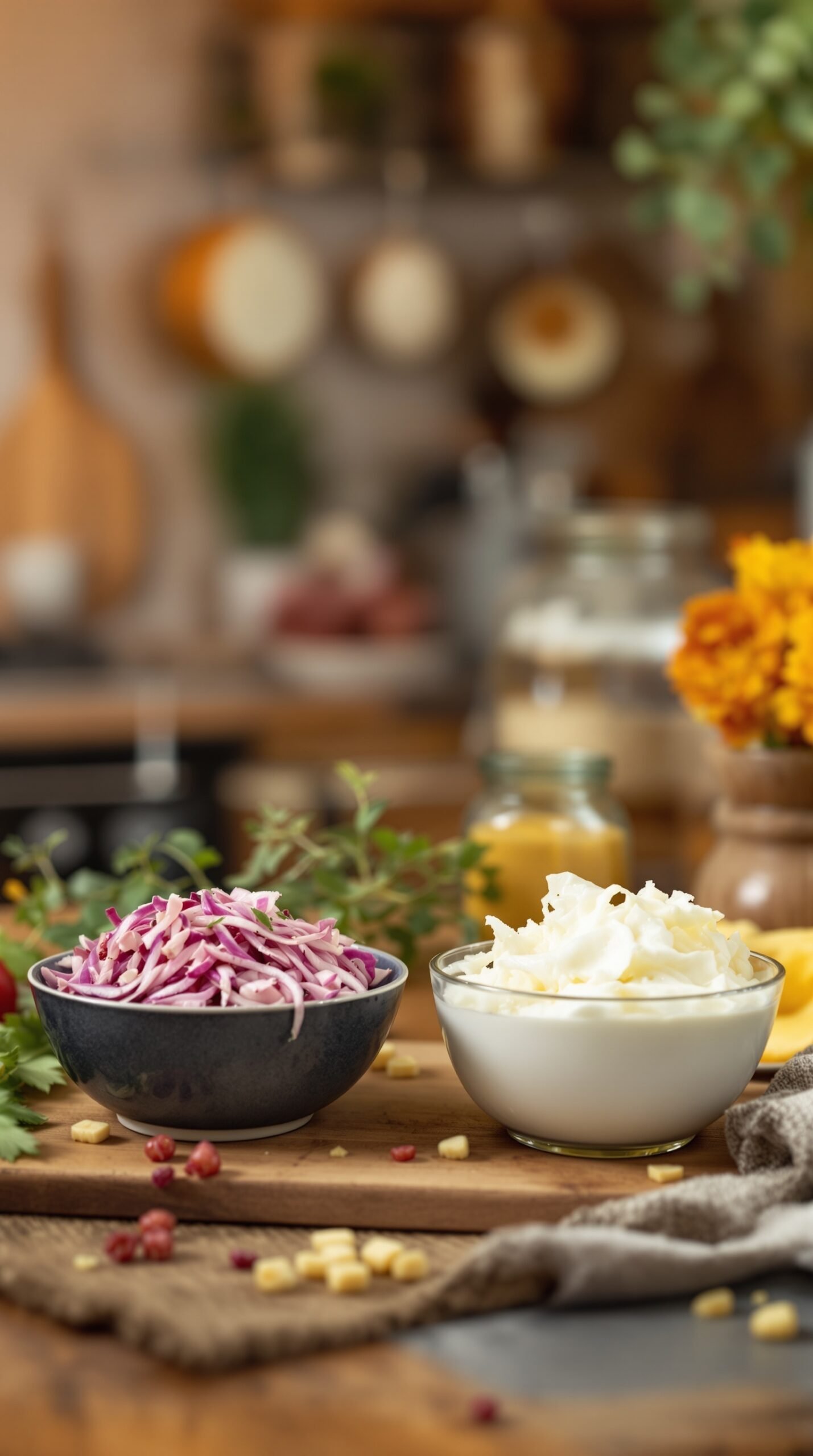
When you’re new to fermented foods, it can help to start with what you already know. Familiar foods can make the shopping experience feel less overwhelming.
Look for items like yogurt or sauerkraut. These are often found in most grocery stores and are easy to recognize. Yogurt is creamy and tangy, while sauerkraut has a crunchy texture and a slightly sour taste.
Choosing foods you’ve seen or tried before can boost your confidence. You’ll feel more at ease picking them up, knowing they’re not completely foreign to you.
Don’t hesitate to explore variations of these familiar items. For instance, you might find different flavors of yogurt or types of sauerkraut. This can be a fun way to expand your palate without straying too far from what you already enjoy.
Refrigerated vs Shelf-Stable
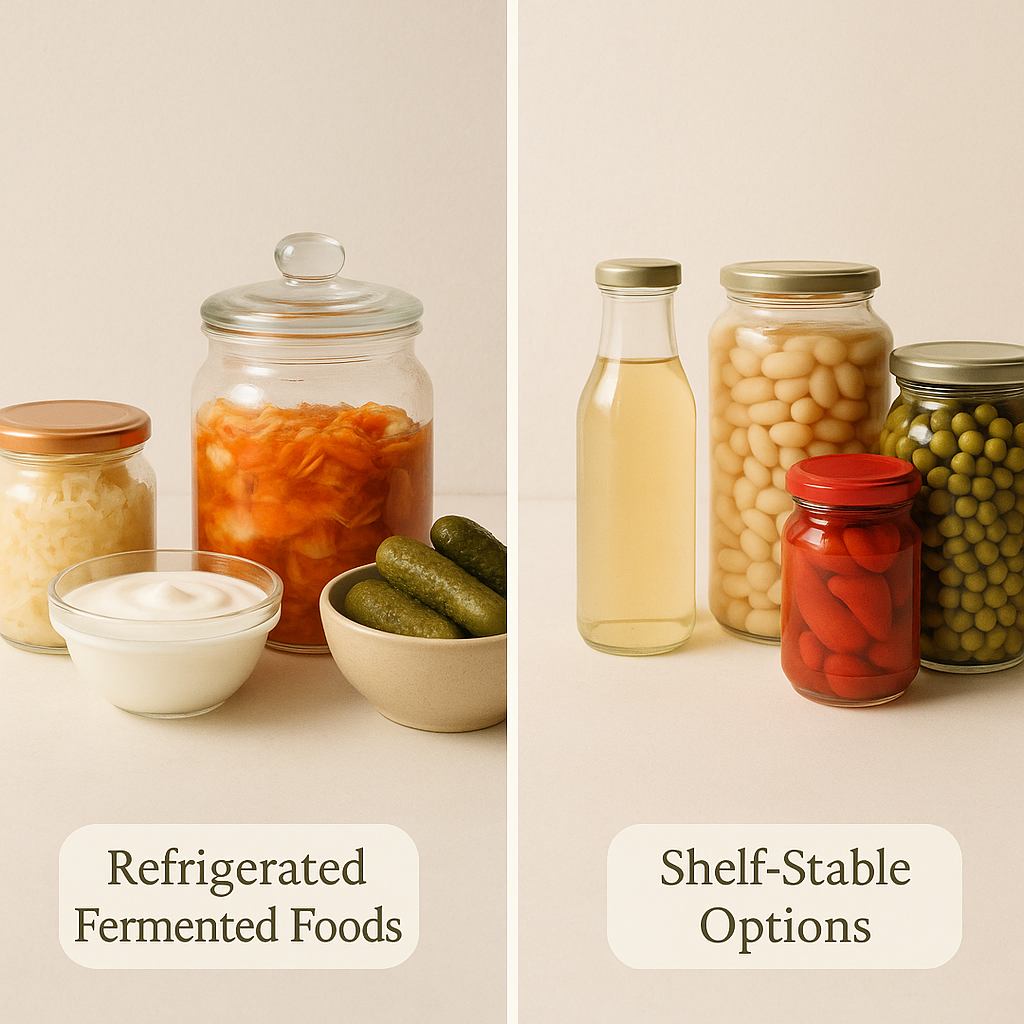
When shopping for fermented foods, you’ll notice two main categories: refrigerated and shelf-stable. This can feel a bit overwhelming, but let’s break it down simply.
Refrigerated fermented foods are often found in the cooler section of the store. These items usually need to stay cold to maintain their flavor and quality. Think of items like kimchi, yogurt, or certain types of sauerkraut. They often have a shorter shelf life, so it’s good to check the expiration date.
On the other hand, shelf-stable fermented foods can sit at room temperature until opened. You might find options like pickles or certain fermented beverages on the shelves. These tend to have a longer shelf life, making them a convenient choice for beginners.
Understanding the difference can help you decide what fits best into your lifestyle. If you’re unsure, starting with shelf-stable options might feel less intimidating. You can always explore refrigerated items later as you grow more comfortable.
Overwhelmed by Choices
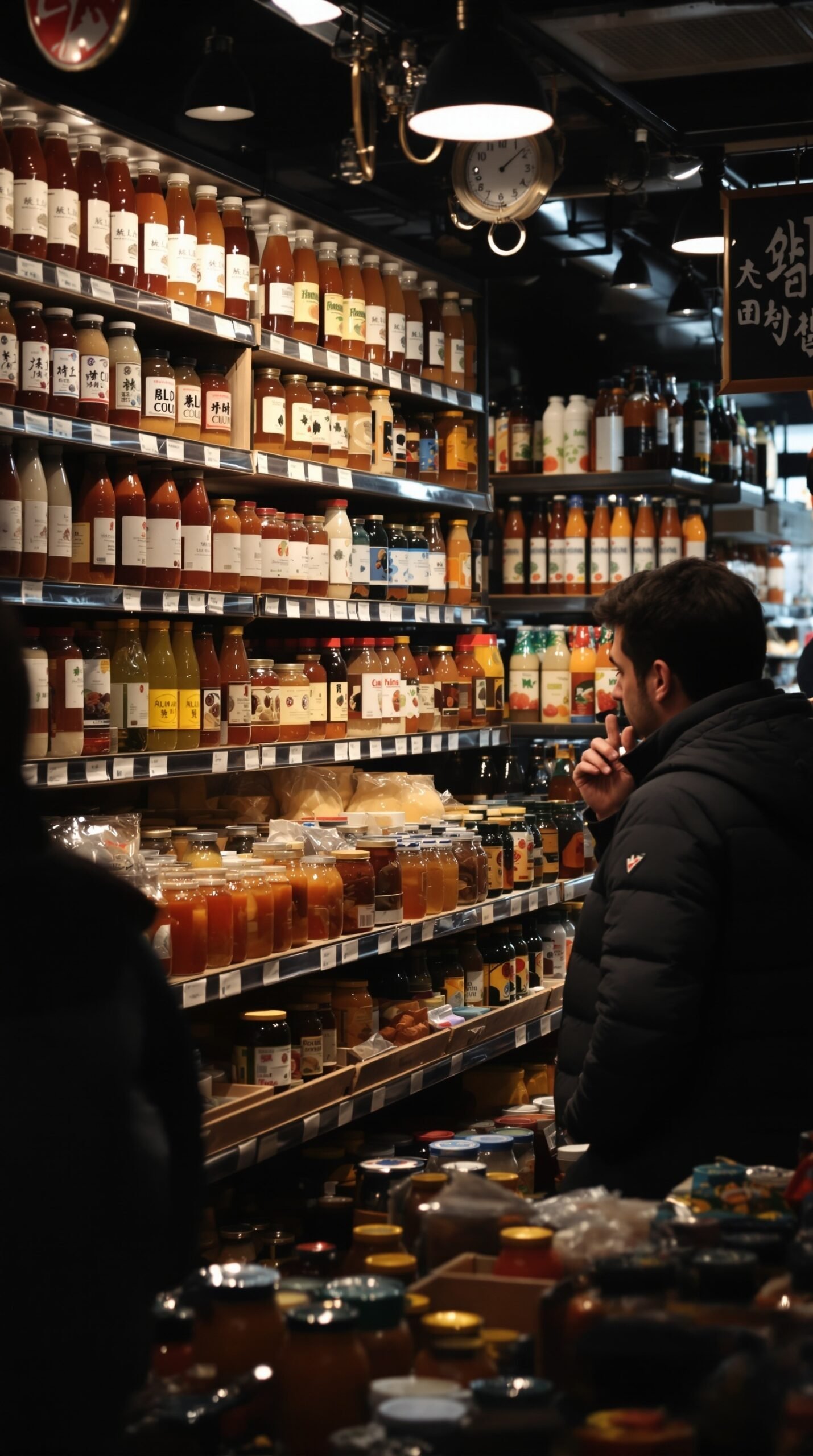
Walking down the aisle filled with fermented foods can feel a bit like being a kid in a candy store. There are so many jars, bottles, and packages, each promising something unique. It’s easy to feel lost among the options.
The image shows a shopper standing in front of shelves lined with various fermented products. The colors and labels can be enticing, but they can also create a sense of confusion. What should you pick? What’s the difference between all these choices?
Take a deep breath. It’s perfectly normal to feel overwhelmed. Remember, you’re not alone in this. Many people share the same feelings when they first explore fermented foods. The key is to take it one step at a time.
Start by focusing on what catches your eye. You don’t have to try everything at once. Look for familiar items, or even ask for recommendations from store staff. They’re often happy to help you navigate the selection.
With a little patience and curiosity, you’ll find your way through the choices. Each visit can be a new opportunity to discover something you enjoy.
Navigating Confusing Labels
When you step into the grocery store, the shelves can feel overwhelming, especially when it comes to fermented foods. You might see jars, bottles, and boxes with labels that seem to blend together. It’s easy to feel unsure about what to choose.
Take a moment to breathe. Labels often contain a lot of information, but you don’t have to decipher every detail. Look for key terms like ‘fermented,’ ‘live cultures,’ or ‘probiotics.’ These can help you identify products that fit your interest in fermented foods.
Some items are refrigerated, while others are shelf-stable. Refrigerated items usually contain live cultures, which is a good sign if you’re looking for fresh fermented foods. Shelf-stable options can be convenient, but they may not have the same benefits.
Don’t let the variety overwhelm you. If a label has too many unfamiliar ingredients, it’s okay to put it back and try something else. Your comfort is what matters most. Start with products that catch your eye or those you’ve heard of before. This can make your shopping experience feel more familiar and enjoyable.
Common Fermented Foods for Beginners
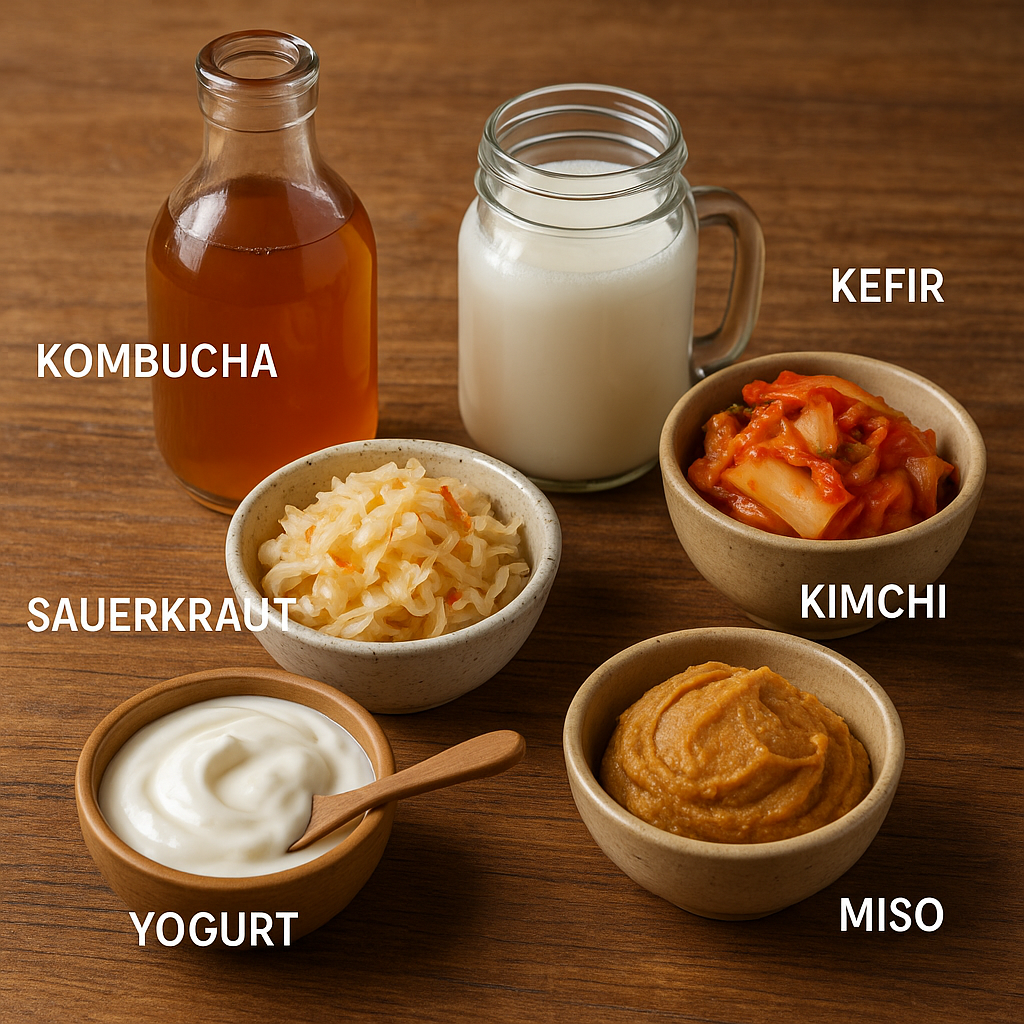
When starting your journey with fermented foods, it helps to know what options are out there. The image shows a variety of fermented items that can be great for beginners.
In the center, you see jars filled with different fermented products. These can include things like pickles, which are cucumbers that have been brined and fermented. They offer a crunchy texture and tangy flavor.
Next to the pickles, there are grains and legumes, often used in making fermented foods like miso or tempeh. These ingredients are versatile and can be added to many dishes.
Also visible are some fermented drinks, like kombucha or kefir. These drinks are fizzy and refreshing, making them a fun way to enjoy fermented foods.
Lastly, you might notice some sweet options, like fermented honey or other sweeteners. These can add a unique twist to your meals.
Overall, the variety shown in the image reflects the many paths you can take as you explore fermented foods. Each option offers a chance to try something new and delicious.
Reading Labels with Ease
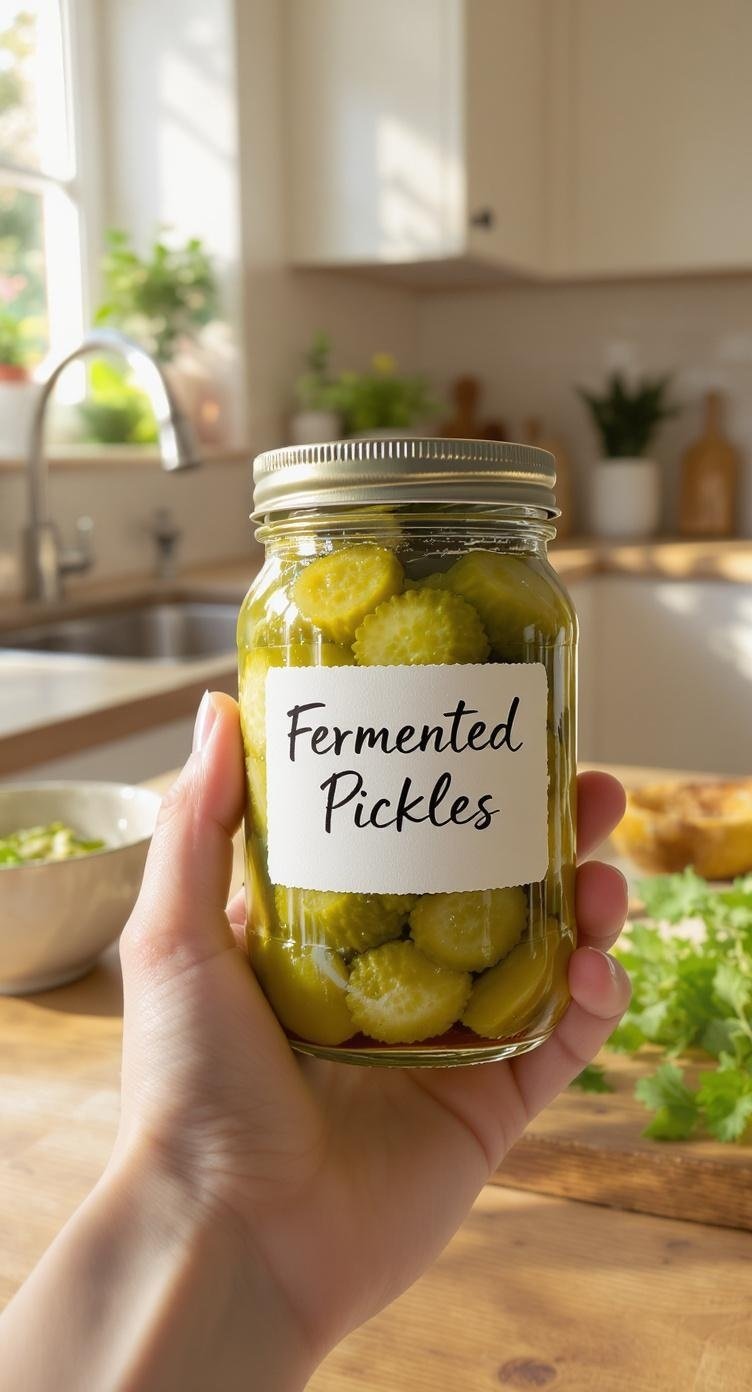
When you pick up a jar of fermented pickles, like the one shown in the image, it’s natural to feel a bit overwhelmed by the label. The words can seem complicated, and the details might feel like a lot to take in. But don’t worry! Understanding labels can be simple and even enjoyable.
Start by looking for the word ‘fermented’ on the label. This tells you that the food has gone through a process that can enhance its flavor and texture. Next, check the ingredients list. Ideally, you want to see familiar items, like cucumbers, salt, and spices. If you see long words or ingredients you don’t recognize, it’s okay to put that jar back and choose another.
Also, pay attention to whether the product is refrigerated or shelf-stable. Refrigerated items often have live cultures, which can be beneficial. Shelf-stable options are convenient and can be stored easily. Both can be delicious, so choose what feels right for you.
Lastly, don’t hesitate to ask staff at the store for help. They can guide you to popular choices and answer any questions you might have. Remember, shopping for fermented foods should feel like a fun exploration, not a chore!
Choosing Store-Bought Options

Shopping for fermented foods can feel overwhelming, especially with so many choices available. The image shows a person browsing through jars of fermented products in a store. This scene captures the essence of exploring new foods while feeling a bit uncertain.
When you’re ready to choose store-bought options, remember that it’s perfectly fine to start simple. Look for familiar items like yogurt or sauerkraut. These are often easy to find and can help ease you into the world of fermentation.
Don’t hesitate to pick up a few jars that catch your eye. Many stores offer a variety of flavors and styles. If something looks interesting, go for it! You can always try a small amount first to see if you like it.
Reading labels can be helpful, but don’t stress too much about it. Focus on ingredients you recognize. If you see a product with a short list of ingredients, that’s usually a good sign. It means the food is less processed and more likely to be the real deal.
Lastly, remember that trying new foods is a journey. It’s okay to take your time and explore different options. Enjoy the process of discovering what you like!
Helpful Shopping and Storage Items
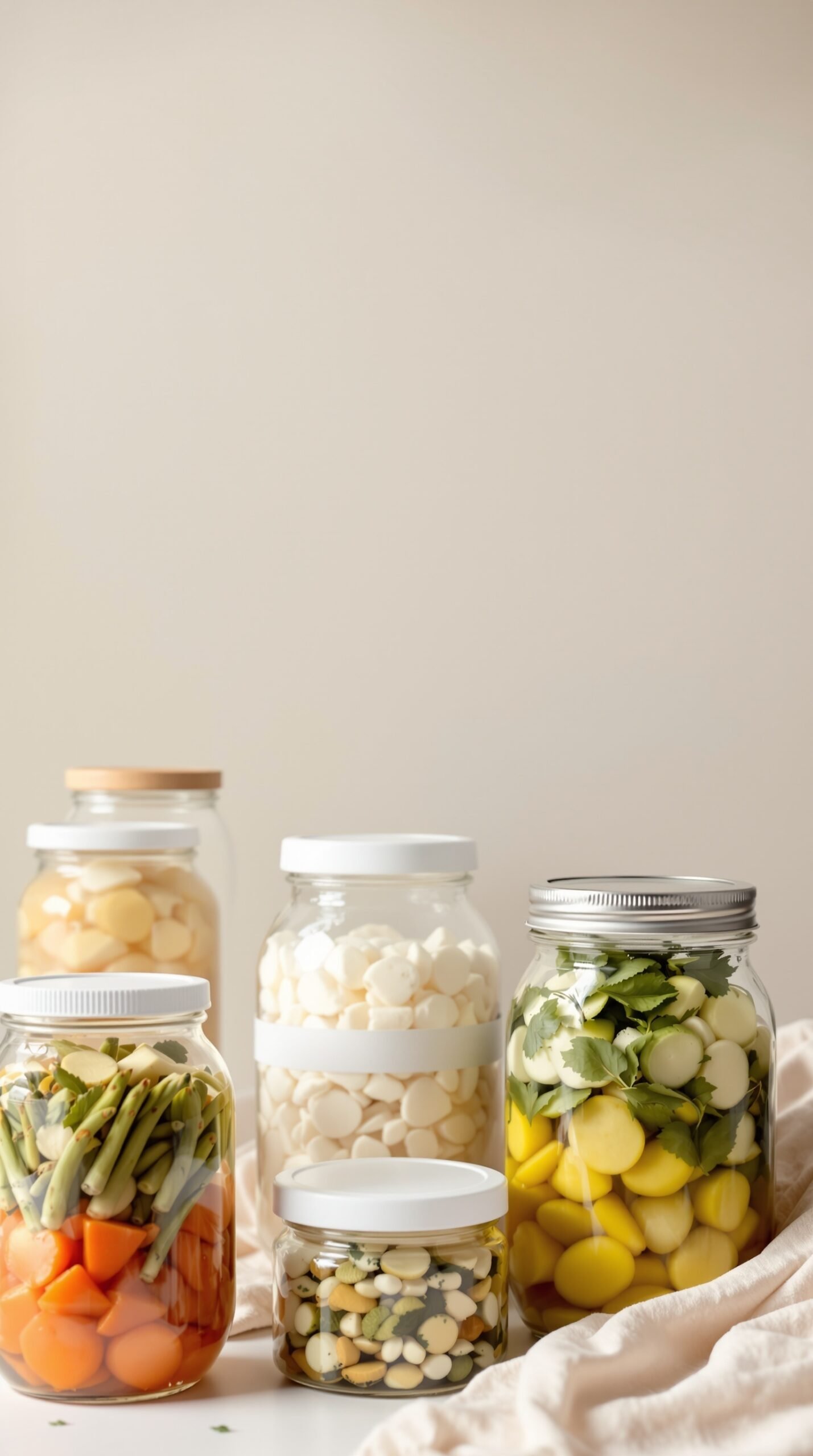
When you’re starting out with fermented foods, having the right items can make your experience smoother and more enjoyable. The image shows a variety of jars filled with colorful, preserved ingredients. These jars not only look appealing but also serve a practical purpose in your kitchen.
First, consider investing in some good-quality glass jars. They are perfect for storing your fermented foods. Glass is non-reactive, meaning it won’t alter the taste of your food. Plus, you can easily see what’s inside, which helps you keep track of your creations.
Labels can be a handy addition too. They help you remember what’s in each jar and when you made it. This way, you can keep track of freshness without any guesswork.
Having a few containers for storage is also useful. They can help you organize your fridge or pantry, making it easier to find your favorite fermented goodies. You might want to choose containers that are easy to open and close, especially if you’re sharing with family or friends.
Lastly, don’t forget about a clean cloth or towel. This can come in handy for wiping down jars or cleaning up spills. A tidy space makes the whole process feel more inviting.
A Gentle Guide to Fermented Foods

Shopping for fermented foods can feel a bit overwhelming at first. With so many options and labels to read, it’s easy to feel lost. But don’t worry! Understanding fermented foods can be simple and enjoyable.
Fermented foods are basically foods that have been transformed by bacteria or yeast. This process can enhance flavors and create unique textures. Think yogurt, sauerkraut, and kombucha. They’re not just trendy; they’re delicious and can be a fun addition to your meals.
When you step into the store, you might notice a lot of labels and different types of products. It can be confusing to know what to choose. Some items are refrigerated, while others sit on shelves. You might find yourself staring at rows of jars and bottles, unsure of where to start.
To make shopping easier, focus on familiar foods first. If you love yogurt, start there! Look for options that are labeled as live or active cultures. This means they contain beneficial bacteria. You can also choose store-bought options to ease into the world of fermentation.
Common fermented foods include yogurt, kimchi, sauerkraut, and kefir. Each has its own unique taste and can be enjoyed in various ways. You don’t have to try everything at once; take your time and find what you like.
Having the right items at home can also help. Consider getting some containers or jars for storage. Labels can be handy for keeping track of what you have. This way, you can enjoy your fermented foods without any stress.
If you’re still feeling unsure, remember that it’s okay to take small steps. A beginner-friendly guide can be a great resource to help you along the way. Just enjoy the process and have fun exploring!
If you’d like to explore more calm, beginner-friendly digital guides, Team Vega Caprice has created a small collection designed to support everyday clarity, nourishment, and ease — all accessible online and easy to return to anytime.